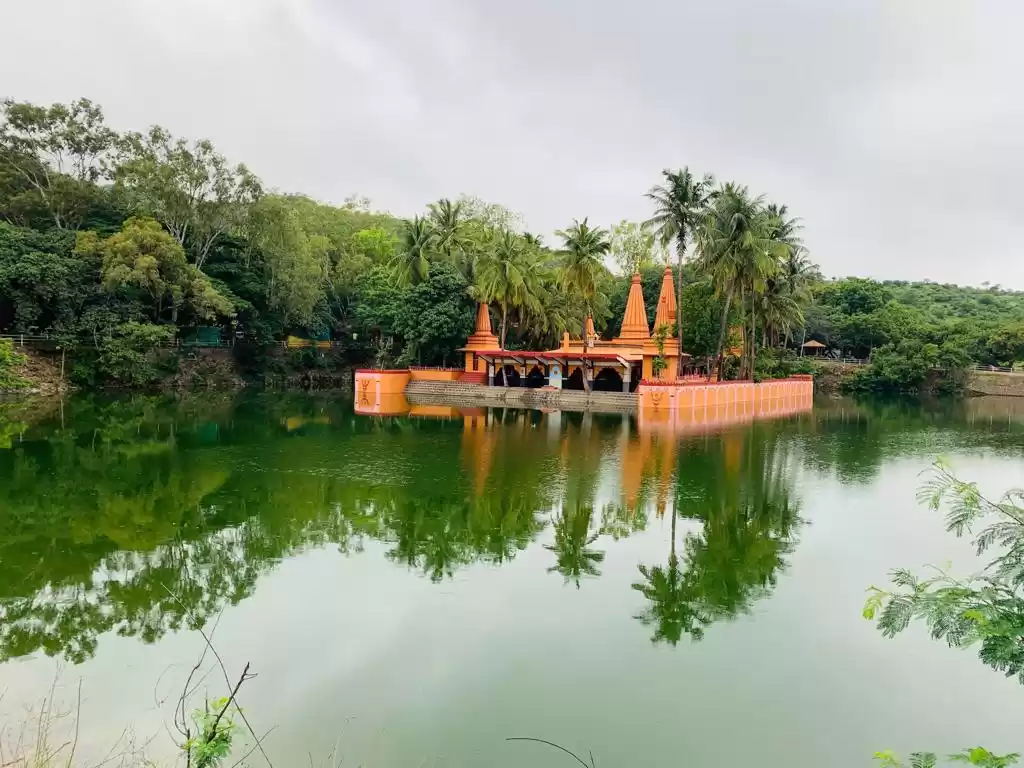
Goddess Saraswati is not just worshipped as the deity of knowledge — she represents clarity of thought, refined speech, music, arts, and higher wisdom. Across India, several temples are dedicated to her in different forms, such as Sharada, Vidya Saraswati, and Maha Saraswati. Each temple carries a unique legend, ritual tradition, and historical background.
Let’s explore these temples in more depth — their history, speciality, architecture, and spiritual importance.
1. Gnana Saraswati Temple – Telangana
Historical Background
This temple is believed to date back to the Mahabharata period. According to legend, after the Kurukshetra war, Sage Vyasa settled in Basar and installed idols of Saraswati, Lakshmi, and Kali. The word “Basar” is said to be derived from “Vyasar.”
Speciality
- One of the only two prominent Saraswati temples in India.
- Famous nationwide for Aksharabhyasam, where children write their first alphabet.
- Thousands visit daily, especially families with young children.
Unique Ritual
During Aksharabhyasam, children are made to write “Om” or the alphabet in rice grains — symbolizing the beginning of knowledge.
Spiritual Experience
The temple atmosphere is simple yet deeply emotional — especially when you see toddlers taking their first step into education.
2. Sri Sharadamba Temple – Karnataka
Historical Significance
Established in the 8th century by Adi Shankaracharya, this temple is part of the Sringeri Sharada Peetham — one of the four major mathas in India.
Originally, the deity was a sandalwood idol, later replaced by a golden idol in the 14th century.
Speciality
- Major center for Vedic learning and Advaita philosophy.
- Scholars and students from across India visit for blessings.
- The temple follows traditional Vedic rituals daily.
Architecture
Built in traditional South Indian style with intricate carvings and a serene riverside setting near the Tunga River.
Why It’s Powerful
This temple represents the intellectual backbone of Hindu philosophy. It’s not just a temple — it’s a living institution of knowledge.
3. Koothanur Maha Saraswathi Temple – Tamil Nadu
Historical Background
This temple was patronized by the Chola kings around the 12th century. It is closely associated with the Tamil poet Ottakoothar.
Speciality
- The only exclusive Saraswati temple in Tamil Nadu.
- Devotees offer pens, notebooks, and musical instruments.
- Very popular among students and artists.
Festival Highlight
During Navaratri and Vijayadashami, thousands gather for Vidyarambham ceremonies.
Unique Belief
People believe that praying here improves speech clarity and academic performance.
4. Panachikkadu Saraswati Temple – Kerala
Historical Background
This temple is centuries old and is often referred to as Dakshina Mookambika.
Unique Feature
Unlike traditional temples, the idol is not prominently visible. Goddess Saraswati is worshipped beneath a natural spring, symbolizing the continuous flow of knowledge.
Speciality
- One of the most important places in Kerala for Vidyarambham.
- Surrounded by lush greenery and peaceful ambiance.
Spiritual Feel
The sound of flowing water adds to the calmness, creating a meditative environment.
5. Wargal Saraswati Temple – Telangana
Background
This temple was built more recently compared to others, but has quickly gained spiritual importance.
Speciality
- Known as Sri Vidya Saraswati Temple.
- A quieter alternative to Basar.
- Conducts mass Aksharabhyasam ceremonies.
Architecture
Situated on a small hill, offering beautiful scenic views and a peaceful environment.
6. Sharada Temple – Jammu & Kashmir
Historical Importance
Dating back to ancient times, the Sharada Temple was once a major center of learning in Kashmir.
The region was historically called “Sharada Peeth,” and scholars from across Asia visited for education.
Speciality
- Deep connection to ancient Sanskrit scholarship.
- Considered one of the 18 Maha Shakti Peethas by some traditions.
Present Status
Now in ruins, but it remains a powerful symbol of India’s intellectual and spiritual history.
7. Saraswati Temple Pushkar – Rajasthan
Background
Located near Pushkar Lake, this temple is less crowded but spiritually enriching.
Speciality
- Peaceful environment ideal for meditation.
- Close to the famous Brahma Temple of Pushkar.
- Ideal for combining pilgrimage and reflection.
Major Festivals Celebrated
Vasant Panchami
The most important festival dedicated to Saraswati. Devotees wear yellow, offer flowers, and seek blessings for wisdom.
Navaratri (Last 3 Days)
Books and musical instruments are placed before the goddess for blessings.
Vijayadashami
Auspicious day to begin education or new learning.
Architectural & Cultural Significance
- Most Saraswati temples follow Dravidian architecture in the South.
- Northern temples often reflect ancient stone architecture.
- Many temples function as educational hubs, not just places of worship.
Why These Temples Are Unique
Unlike many other temples focused on wealth or power, Saraswati temples emphasize:
- Knowledge
- Creativity
- Speech & Communication
- Spiritual Growth
They attract students, teachers, writers, musicians, and professionals alike.
Final Thoughts
Visiting a Saraswati temple is a deeply personal and inspiring experience. Whether you are starting a new academic year, preparing for competitive exams, or simply seeking clarity in life, these temples offer spiritual strength and calmness.
India’s devotion to knowledge is beautifully reflected in these sacred spaces. From the historic Sharada Peeth of Kashmir to the lively rituals of Basar and Sringeri, each temple tells a story of faith and learning.