Located just a short drive from Pune, Jejuri Temple is one of the most famous pilgrimages in Maharashtra. Dedicated to Lord Khandoba, a form of Lord Shiva, this hilltop temple attracts thousands of devotees every year who come seeking blessings, peace, and a sense of connection with something greater than themselves. The journey to the temple—climbing a long flight of steps surrounded by chants and devotion—feels as meaningful as the destination itself.
Jejuri is famously known as the “Golden Pilgrimage”, and the reason becomes instantly clear the moment you arrive. The entire temple complex is covered in bright yellow turmeric powder, locally known as Bhandara. Devotees joyfully throw turmeric into the air as an offering to the deity, creating a magical golden haze that fills the surroundings. This ritual is not just visually stunning but also deeply symbolic, representing prosperity, positivity, and divine energy.
Visiting Jejuri is more than just a religious trip—it’s an emotional and spiritual experience. There’s something powerful about standing amidst a sea of devotees, all united in faith, with the air filled with chants and the scent of turmeric. Whether you’re deeply religious or simply seeking a moment of peace, Jejuri has a way of touching your heart and leaving you with a sense of calm, gratitude, and quiet joy.
Historical & Religious Significance
The history of Jejuri Temple goes far beyond just being a place of worship—it’s deeply rooted in Maharashtra’s cultural and spiritual identity. For centuries, Jejuri has been a sacred site where generations of devotees have come to seek blessings, celebrate traditions, and stay connected to their faith. The temple stands as a symbol of devotion, strength, and protection.
The eternal bond between Shiva and Parvati—a love built on unity, balance, and mutual respect—is believed to live on in the story of Khandoba and Mhalsa at Jejuri Temple. Just as Shiva and Parvati represent the perfect union of two energies, Khandoba and Mhalsa symbolize a complete partnership rooted in both devotion and responsibility. This is why many newly married couples visit Jejuri soon after their wedding—to seek blessings for a relationship that is not just loving, but also strong, balanced, and enduring. Standing before the deity, couples don’t just pray for happiness, but for understanding, patience, and unity—hoping to build a bond as deep and lasting as that of Shiva and Parvati themselves.
Association with Lord Khandoba
Jejuri is dedicated to Lord Khandoba and Goddess Mhalasa, who is believed to be a powerful incarnation of Lord Shiva and Shakti. Known as a warrior deity, Khandoba is worshipped as a protector who destroys evil and safeguards his devotees. He is often depicted riding a horse, carrying weapons, and symbolizing courage and justice. For many, Khandoba is not just a god but a guardian who watches over their lives.
The epic battle between Lord Khandoba and the demons Mani and Malla is not only told through stories but also vividly captured in the art and sculptures of Jejuri Temple. Many paintings, stone carvings, and temple reliefs depict Khandoba and Mhalsa together, sometimes showing Mhalsa in her fierce form, symbolizing the union of masculine and feminine divine energy in the fight against evil. These artworks serve as both spiritual inspiration and storytelling, allowing devotees to visually experience the legendary battle. Through these depictions, the temple preserves and communicates the rich folklore of Jejuri, reminding visitors of faith, courage, and the protective power of the deity.
Importance in Local Culture
Lord Khandoba holds a very special place in the hearts of people across Maharashtra, especially among farming and rural communities. He is considered a kuldaivat (family deity) by many families, meaning his worship is passed down through generations. Festivals, rituals, and even important life events are often connected to his blessings. This deep-rooted belief makes Jejuri more than a temple—it becomes a part of people’s everyday lives and identity.
Legends and Mythological Stories
Jejuri is also rich with fascinating legends that add to its spiritual charm. One of the most popular stories is about Lord Khandoba defeating the demons Mani and Malla, who were causing trouble on earth. After a fierce battle, Khandoba emerged victorious, restoring peace and order. It is believed that the tradition of throwing turmeric (Bhandara) symbolizes the golden glow of this victory and divine power.
These stories, passed down through generations, give Jejuri a sense of timelessness—where history, mythology, and faith all come together in one powerful experience.
The Golden Charm – Turmeric Rituals
One of the most unforgettable aspects of visiting Jejuri Temple is its iconic turmeric ritual, which gives the place its magical golden identity. Unlike most temples, where flowers or sweets are the main offerings, Jejuri is known for Bhandara—a vibrant yellow turmeric powder that devotees offer with deep faith and joy.
Unique Tradition of Offering Turmeric (Bhandara)
At Jejuri, turmeric is not just an offering—it’s a celebration. Devotees carry packets of Bhandara and shower it in the air as a mark of devotion to Lord Khandoba. The act feels less like a ritual and more like a shared moment of happiness, where everyone becomes part of something bigger. It’s believed that offering turmeric pleases the deity and brings blessings of prosperity and protection.
Why the Temple Turns Yellow
As thousands of devotees throw turmeric into the air, the entire temple complex gradually gets covered in a rich golden-yellow layer. The steps, walls, and even people are dusted in this bright color, creating a surreal and almost dreamlike atmosphere. The sight of yellow clouds rising against the sky is what gives Jejuri its nickname—the “Golden Pilgrimage.”
Cultural Meaning & Symbolism
Turmeric holds a special place in Indian culture. It is associated with purity, healing, positivity, and auspicious beginnings. At Jejuri, it also symbolizes victory—linked to the legend of Lord Khandoba defeating evil forces. The golden color represents energy, abundance, and divine blessings, making the ritual deeply meaningful beyond its visual beauty.
A Sensory Experience Like No Other
Visiting Jejuri during these rituals is truly a full sensory experience. The air is filled with chants of devotion, the scent of turmeric lingers everywhere, and the sight of golden hues all around creates a powerful, almost cinematic moment. As you walk through the temple, feeling the soft powder under your feet and seeing devotees immersed in faith, it becomes more than just a visit—it becomes a memory that stays with you long after you leave.
Architecture & Temple Structure
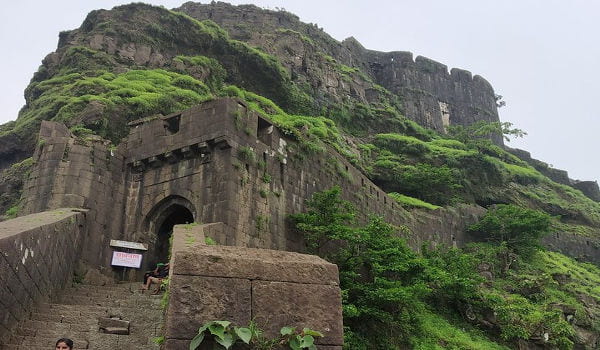
Perched atop the rugged plateau of Karhe Pathar, Jejuri Temple stands as a striking blend of natural landscape and traditional temple design. This elevated plateau not only gives the temple a commanding view of the surrounding region but also adds to its spiritual aura—creating a feeling of rising above the ordinary world as you approach it.
To reach the temple, devotees climb a long series of 200+ stone steps built along the hillside. These steps are lined with small shops offering prayer items and refreshments, while the air fills with chants praising Lord Khandoba. The climb itself becomes a part of the pilgrimage, symbolizing effort, devotion, and a gradual journey towards the divine.
The temple structure reflects fort-like architecture, with strong stone walls, large entrance gates, and a layout that resembles a protective stronghold—fitting for a warrior deity like Lord Khandoba. One of the most distinctive features is the presence of numerous deepmalas (lamp towers) scattered across the complex. During festivals, these towers are lit with lamps, creating a mesmerizing and sacred atmosphere against the golden backdrop of turmeric.
Built primarily using local stone, the architecture is simple yet powerful, focusing more on strength and symbolism than intricate carvings. The open courtyards, wide pathways, and hilltop setting allow for large gatherings of devotees, especially during festivals.
Overall, the combination of the Karhe Pathar plateau, the stepped ascent, and the fortress-like temple design creates a unique spiritual experience—where the journey, the structure, and the surroundings all come together to make Jejuri feel both grand and deeply peaceful.
Festivals & Celebrations
Festivals at Jejuri Temple are truly a sight to behold, with Champa Shashthi being the most important one. This festival celebrates the victory of Lord Khandoba over evil forces and attracts thousands of devotees from across the state.
During this time, the temple comes alive with vibrant rituals, continuous chants, and clouds of turmeric filling the air. The energy is electric—devotees singing, praying, and celebrating together create an unforgettable atmosphere.
If you want to witness Jejuri at its most lively and colorful, visiting during festivals is ideal. However, be prepared for large crowds and a very energetic environment.
Travel Guide to Jejuri
Location & Accessibility
Jejuri is located close to Pune and is easily accessible from Mumbai as well. It’s a popular choice for day trips and short spiritual getaways.
How to Reach
- By Road: Well-connected by highways; buses and private vehicles are easily available.
- By Rail: Jejuri has a small railway station with trains connecting from Pune.
Best Time to Visit
October and March is the best time to visit, when the weather is pleasant. Early mornings or evenings are ideal for a comfortable experience.
Things to Carry
Carry comfortable footwear, water, and light clothing. Since you’ll be climbing steps, it’s best to travel light.
Tips for Visitors
- Start early to avoid crowds and heat
- Be prepared for the climb (200+ steps)
- Keep essentials handy and stay hydrated
Things to Do in Jejuri
- Temple Darshan: Seek the blessings of Lord Khandoba and experience the spiritual aura
- Photography: Capture the stunning golden surroundings covered in turmeric
- Local Markets & Food: Check out the shops lining the path, selling puja materials and local specialties.
- Scenic Views: Enjoy beautiful panoramic views from the hilltop
Nearby Attractions
You can also explore nearby places to extend your trip, such as:
- Purandar Fort – A historic fort with breathtaking views
- Saswad – A peaceful town known for temples and natural beauty
These spots make your Jejuri visit even more fulfilling.
Travel Tips & Etiquette
- Respect local customs and temple traditions
- Be mindful while handling turmeric—it can stain clothes and gadgets
- Visit early morning or evening for a more silent and less crowded experience
Conclusion
Jejuri is more than just a temple—it’s a place where faith, culture, and tradition come together beautifully. From its golden turmeric rituals to its deep-rooted spiritual significance, every moment spent here feels special.
Whether you’re seeking blessings, peace, or simply a unique travel experience, Jejuri stands out as a must-visit destination in Maharashtra. It leaves you not just with memories but with a sense of calm, connection, and something truly divine.