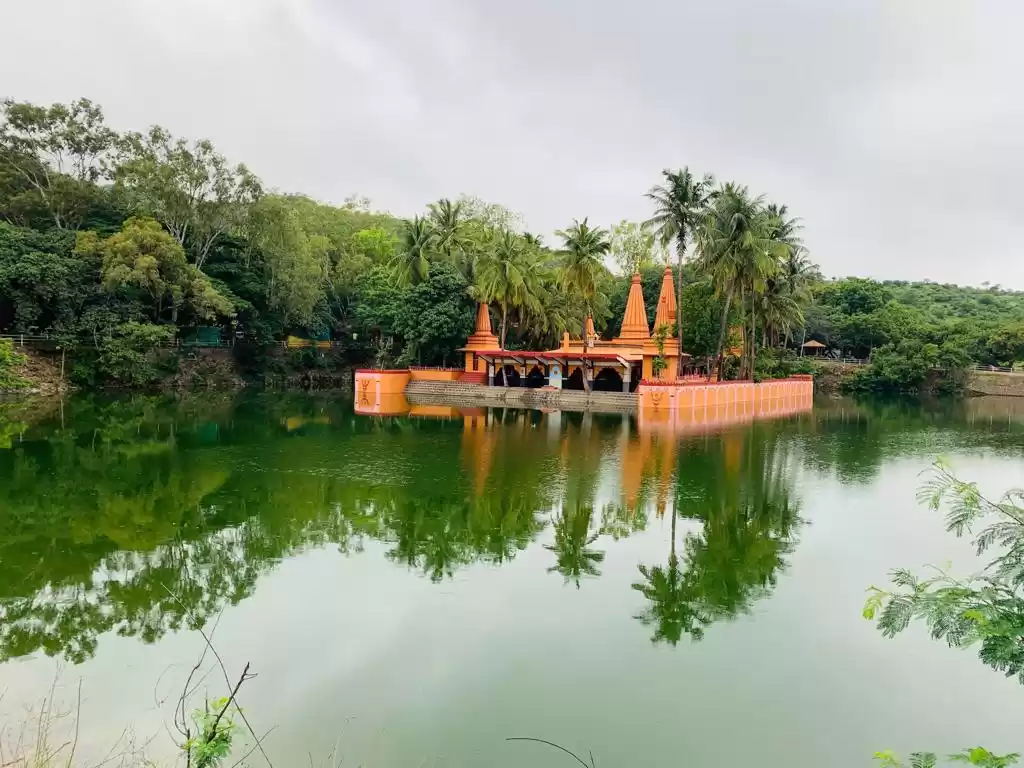
A Gentle Welcome to Jorhat.
Tucked away in the heart of Upper Assam, Jorhat is a place where mornings begin with mist rising over endless stretches of tea bushes and evenings wind down to the rhythm of Assamese folk songs. Calm, green, and culturally rich, Jorhat offers a side of India that feels both timeless and refreshing.
Often referred to as the Tea Capital of India, Jorhat is not just a scenic town—it is one of the most important centers of tea production and research in the country. The region has played a key role in shaping Assam’s identity as one of the largest tea-producing areas in the world.
- Why It’s Called the Tea Capital of India
- A Blend of Tea, Culture, and Heritage
- Rising Interest in Northeast India
- Why Jorhat is Called the Tea Capital of India
- Exploring the Tea Gardens of Jorhat
- Tea Tourism in Jorhat
- Top Places to Visit in and Around Jorhat
- Why visit?
- Visit during early morning or late afternoon for the best light and fewer visitors.
- Why visit?
- What you can experience:
- The best time to see active tea plucking is between March and October.
- Plan at least one full day for Majuli, and check ferry timings in advance.
- Culture, Festivals & Local Life
- Best Time to Visit Jorhat
- How to Reach Jorhat
- Travel Tips for Visitors
- Conclusion
Why It’s Called the Tea Capital of India
Jorhat earned this title because it sits at the heart of Assam’s tea belt. The district is surrounded by vast tea estates that contribute significantly to India’s overall tea output. Assam itself accounts for more than half of India’s total tea production, and Jorhat is one of its most active hubs.
But it’s not just about quantity. Assam tea is celebrated worldwide for its bold, malty taste and rich amber hue, making it a popular choice in breakfast blends around the globe.
A Blend of Tea, Culture, and Heritage
Beyond the plantations, Jorhat is deeply rooted in Assamese heritage. The town was once the last capital of the Ahom Kingdom, and traces of that legacy still remain in its architecture, traditions, and local pride. Visitors can experience classical Sattriya culture, vibrant Bihu celebrations, and warm hospitality that makes you feel instantly at home.
Rising Interest in Northeast India
Over the past few years, Northeast India has steadily grown in popularity among travelers looking for offbeat, nature-rich destinations. Improved air connectivity, better road networks, and increasing curiosity about unexplored regions have brought places like Jorhat into the spotlight. Travelers today are seeking experiences—and Jorhat offers one that is authentic, immersive, and refreshingly different from mainstream hill stations or beaches.
Why Jorhat is Called the Tea Capital of India
The Early Story of Tea in Assam
Tea cultivation in Assam began in the early 19th century. In the 1820s, indigenous tea plants were discovered growing naturally in the region. This discovery changed the course of India’s agricultural and trade history.
By the 1830s, the British recognized Assam’s potential for large-scale tea cultivation. The climate—high rainfall, humid conditions, and fertile alluvial soil—proved perfect for tea bushes. Gradually, plantations began spreading across Upper Assam, including the Jorhat region.
The British and Commercial Tea Production
During colonial rule, the British developed organized tea estates and set up systematic production methods. They introduced processing factories, transport systems, and export channels that connected Assam tea to international markets.
Jorhat became one of the central administrative and production hubs during this time. Many of the grand tea bungalows and estate structures you see today date back to that era. These buildings still reflect colonial architecture blended with Assamese influences.
The Role of the Tocklai Tea Research Institute
One of the strongest reasons Jorhat holds its “Tea Capital” title is the presence of the Tocklai Tea Research Institute, established in 1911. It is recognized as the world’s oldest and one of the largest tea research stations.
Tocklai has played a vital role in improving tea quality, developing high-yield plant varieties, managing pests, and modernizing cultivation techniques. Research conducted here has supported not only Assam’s plantations but also tea industries across India and other countries.
Its presence firmly positions Jorhat as not just a production center, but also a knowledge and innovation hub for the global tea industry.
Assam Tea’s Global Contribution
India is among the top tea-producing countries in the world, and Assam contributes more than half of India’s total output. A significant share of this tea is exported to countries like the UK, Russia, the UAE, and other parts of Europe and Asia.
The bold flavor of Assam tea makes it a staple in global breakfast blends. So when someone in London or Moscow enjoys a strong morning cup, there’s a good chance the leaves originated in the fields around Jorhat.
Exploring the Tea Gardens of Jorhat
Famous Tea Estates Around Jorhat
Jorhat is surrounded by numerous well-known tea estates, some of which date back over a century. Estates such as Cinnamora Tea Estate—one of the earliest tea plantations in Assam—highlight the region’s long-standing association with tea cultivation.
Many estates are spread across gentle rolling terrain, creating a patchwork of neatly trimmed green bushes that stretch as far as the eye can see.
Walking Through the Plantations
One of the most memorable experiences in Jorhat is simply walking through a tea garden. Early mornings are especially magical. The air feels cool and fresh, the landscape glows under soft sunlight, and the quiet is broken only by birds and the distant chatter of workers beginning their day.
Visitors often describe the experience as calming and grounding. Unlike crowded tourist spots, tea gardens offer open spaces and a slow pace that allows you to truly disconnect.
The Tea Plucking Process and Local Workforce
Tea plucking is a skilled process. Workers—often women from local tea tribe communities—carefully handpick the top two leaves and a bud from each plant. This method ensures quality and maintains the health of the bush.
The tea community in Assam has its own unique culture, music, and traditions. Their contribution to the tea industry is immense, and many estates continue to provide housing, schools, and medical facilities for workers’ families.
Understanding this human element adds depth to the visit—it’s not just about the beverage, but about the people behind it.
Best Time to Visit the Tea Gardens
The ideal time to explore Jorhat’s tea estates is between October and April. The weather during these months is pleasant and comfortable for outdoor walks.
The first flush (spring harvest) and second flush (early summer harvest) are particularly interesting for tea enthusiasts. However, heavy monsoon months (June to September) can bring intense rainfall, which may limit plantation visits.
Tea Tourism in Jorhat
Staying in a Tea Estate Bungalow
Tea tourism has grown steadily in Jorhat, with several estates opening their heritage bungalows to visitors. These historic colonial residences typically showcase wide verandas, vintage furnishings, and sweeping views of beautifully landscaped gardens.
Staying in a tea estate allows guests to wake up to plantation views, enjoy freshly brewed Assam tea, and experience the calm of countryside living.
Guided Plantation Tours
Many estates offer guided tours where visitors can learn about planting, pruning, plucking, withering, rolling, fermenting, and drying processes. Seeing the journey from leaf to cup provides a deeper appreciation for the craft behind every brew.
Knowledgeable guides often share fascinating insights about seasonal variations, grading systems, and the differences between orthodox and CTC tea production.
Tea Tasting Experiences
Tea tasting sessions are becoming increasingly popular. Much like wine tasting, participants learn to observe aroma, color, texture, and flavor notes.
It’s an engaging way to understand why Assam tea is valued for its strong body and briskness. Visitors often leave with a new appreciation—and a few packets of premium tea to take home.
Photography and Eco-Tourism Opportunities
Surrounded by rolling green tea estates, gentle morning fog, and charming heritage architecture, Jorhat provides a stunning setting for photography enthusiasts. Birdwatchers and nature lovers also appreciate the biodiversity around tea estates.
Importantly, tea tourism here is largely eco-friendly and community-oriented. Many estates encourage responsible travel, local employment, and sustainable farming practices.
A Destination That Goes Beyond a Cup of Tea
Jorhat is not just about tea—it’s about history, landscape, people, and tradition woven together. For travelers looking to explore a less commercial, culturally rich part of India, the Tea Capital offers an experience that feels both meaningful and memorable.
You do not have enough Humanizer words left. Upgrade your Surfer plan.
Top Places to Visit in and Around Jorhat
Cultural & Historical Attractions
Raja Maidam
Raja Maidam stands as one of Jorhat’s most significant historical landmarks, reflecting the region’s rich royal heritage. The word “maidam” refers to a royal burial vault used by the Ahom dynasty, which ruled Assam for nearly 600 years (1228–1826). Raja Maidam is believed to be the burial site of Ahom king Purandar Singha (19th century).
The structure resembles the famous maidams of Charaideo and features a domed mound with an underground chamber. It is simple yet powerful in symbolism — representing the deep spiritual beliefs and royal traditions of the Ahoms.
Why visit?
- Peaceful heritage site away from crowds
- Insight into Assam’s royal past
- Ideal for history lovers and photographers
Visit during early morning or late afternoon for the best light and fewer visitors.
Thengal Bhawan
Thengal Bhawan is a beautifully preserved heritage mansion built in the early 20th century by Rai Bahadur Shiva Prasad Barooah, a prominent tea planter and freedom supporter.
This colonial-era building showcases a blend of Assamese and European architectural styles — wide verandas, wooden detailing, and antique furnishings. It later became associated with cultural and political movements in Assam.
Today, the property occasionally hosts cultural events and exhibitions. Even from the outside, the mansion reflects Jorhat’s connection with tea, literature, and reform movements.
Why visit?
- Experience colonial-era Assam
- Architectural and cultural interest
- Great stop for heritage enthusiasts
Cinnamora Tea Estate
Cinnamora Tea Estate occupies an important chapter in the history of tea cultivation in India. Established in 1850, it is considered one of the earliest tea plantations in Assam. The estate played a pioneering role in commercial tea cultivation after experiments by the British in the region.
Walking through its neatly lined tea bushes gives you a real sense of why Jorhat is known as the Tea Capital of India. Many estates around Jorhat also offer guided tours and tea-tasting sessions (prior booking recommended).
What you can experience:
- Observe tea plucking (seasonal)
- Learn about tea processing
- Taste fresh Assam tea
- Capture scenic plantation landscapes
The best time to see active tea plucking is between March and October.
Nearby Attractions
Majuli Island – The World’s Largest River Island
Located about 20 km from Jorhat (including ferry transfer), Majuli sits on the mighty Brahmaputra River and is officially recognized as the world’s largest inhabited river island.
Majuli is famous for its Vaishnavite monasteries called Satras, founded by the 15th–16th century saint Srimanta Sankardeva. The island is a rich cultural hub, safeguarding age-old traditions such as classical dance, intricate mask craftsmanship, pottery, and devotional arts that continue to thrive within its communities.
Things to do in Majuli:
- Visit Auniati Satra and Kamalabari Satra
- Watch traditional mask-making workshops
- Cycle through peaceful villages
- Experience village homestays
Plan at least one full day for Majuli, and check ferry timings in advance.
Brahmaputra River Views and Ferry Rides
The Brahmaputra is one of Asia’s largest rivers and defines the landscape of Assam. From Jorhat’s Nimati Ghat, ferries operate daily to Majuli.
A ferry ride across the Brahmaputra is not just transportation — it’s an experience. Wide river views, drifting sandbanks, and sunset skies create unforgettable scenery. During winter, the calm waters make the journey especially pleasant.
Travel tip: Always check weather conditions and ferry schedules, especially during the monsoon season.
Culture, Festivals & Local Life
Assamese Traditions and Hospitality
Assamese culture is rooted in simplicity and warmth. Guests are often welcomed with a traditional gamosa (a woven cotton towel symbolizing respect). Homes are clean, food is freshly prepared, and conversations are genuine.
Respect for elders, community harmony, and connection to nature remain strong values in daily life.
Festivals like Bihu
Bihu is the most important festival of Assam and is celebrated three times a year — Rongali (April), Bhogali (January), and Kongali (October).
Rongali Bihu, marking the Assamese New Year, is the most vibrant. Expect traditional dance, dhol music, colorful attire, and festive feasts. If you visit in April, you’ll witness Assam at its liveliest.
Tea Tribe Communities and Their Heritage
The tea gardens around Jorhat are home to Tea Tribe communities, whose ancestors were brought to Assam during British rule to work in plantations. Over generations, they developed a rich cultural identity with unique music, dance, and cuisine.
Their festivals and community gatherings reflect a blend of tribal traditions and Assamese culture.
Local Handicrafts and Cuisine
Handicrafts:
- Bamboo and cane products
- Traditional Assamese silk (Muga and Eri)
- Handmade pottery and masks
Cuisine highlights:
- Assam thali with rice, dal, fish curry
- Smoked meat preparations
- Bamboo shoot dishes
- Fresh river fish
Food in Jorhat is mildly spiced, healthy, and locally sourced.
Best Time to Visit Jorhat
Climate Overview
Jorhat has a humid subtropical climate. Summers (March–June) are warm, monsoon (June–September) brings heavy rainfall, and winters (November–February) are cool and pleasant.
Ideal Months for Tea Garden Tours
October to April is ideal for tourism. The weather is comfortable, the skies are clearer, and travel is easier.
Tea plucking happens mainly from March to October, so if you want to see harvesting activity, plan accordingly.
Monsoon vs Winter Experience
Monsoon (June–September):
- Lush green landscapes
- Fewer tourists
- Risk of ferry disruptions
Winter (November–February):
- Pleasant temperatures (10–25°C)
- Best for sightseeing and Majuli visits
- Ideal for photography
How to Reach Jorhat
Air Connectivity – Jorhat Airport
Also known as Rowriah Airport, it connects Jorhat with major cities like Kolkata and Guwahati through regular flights. The airport is about 7 km from the city center.
Rail and Road Connections
- Jorhat Town Railway Station connects to Guwahati, Dibrugarh, and other Assam cities.
- Well-connected by road via National Highway 37 (now part of NH-715).
- Guwahati (about 300 km away) is the nearest major rail and air hub.
Travel Tips from Major Cities
- From Delhi/Mumbai: Fly to Guwahati or directly to Jorhat (if available).
- From Guwahati: 1-hour flight or 6–7 hour scenic road trip.
- Keep buffer time if planning a Majuli ferry connection.
Travel Tips for Visitors
What to Pack
- Light cotton clothes (summer)
- Light woolens (winter evenings)
- Rain protection (monsoon)
- Comfortable walking shoes
- Mosquito repellent
Responsible Tourism Practices
- Avoid littering in tea gardens and riverbanks
- Support local homestays and artisans
- Respect wildlife and natural surroundings
- Follow ferry and safety guidelines
Local Etiquette
- Dress modestly in villages and monasteries
- Remove shoes before entering Satras (monasteries)
- Always ask permission before photographing locals
Conclusion
Jorhat is more than just a tea-producing town. It is a destination where history, culture, and nature blend seamlessly. From the royal legacy of Raja Maidam to the peaceful monasteries of Majuli, and from vast tea estates to warm Assamese hospitality, every experience feels authentic and unhurried.
For travelers looking beyond crowded hill stations and commercial hotspots, Jorhat offers something rare — space to slow down, breathe fresh air, and truly connect with a region that proudly preserves its heritage.
In Northeast India’s diverse landscape, Jorhat stands out not only as the Tea Capital of India but as a place where tradition, tranquility, and timeless charm come together.