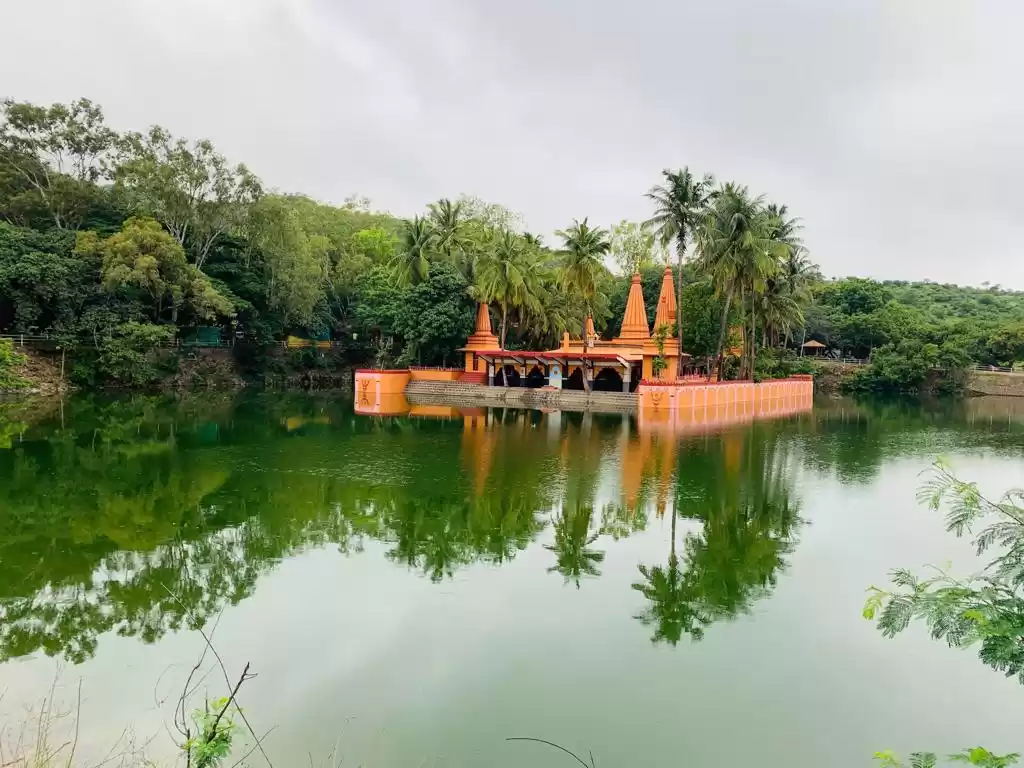
Nestled in the quiet village of Otur in Junnar taluka, the Kapardikeshwar Temple is one of those rare places where natural beauty, mythology, and deep-rooted spiritual traditions come together. Standing gracefully on the banks of the Mandavi River, this centuries-old Shiva temple has long been a sacred refuge for devotees seeking peace, blessings, and a connection to Maharashtra’s ancient spiritual heritage.
While it may not appear on every mainstream travel list, Kapardikeshwar Temple is a gem that travellers, heritage lovers, and devotees should not miss. Its mystical legends, unique rituals, and serene riverside surroundings make it a destination worth exploring at least once in your lifetime.
A Shrine Steeped in Ancient Belief
The origins of Kapardikeshwar Temple stretch far back into local lore. According to village traditions, this region was once a place of meditation for sages, and the Shivling here is believed to be svayambhu — naturally formed and not carved by human hands.
The temple’s name comes from the word “Kapardi”, referring to a shell-like object or encasing. Local mythology says that an ascetic performing penance discovered a divine Shivling inside such a sacred shell-like formation near the riverbank. This miraculous event led to the site being worshipped as Kapardikeshwar, a special manifestation of Lord Shiva.
Even today, villagers speak of the temple not as just a structure but as a living spiritual presence that protects the land around Otur.
The Temple Complex: Simple, Sacred, and Soulful
Kapardikeshwar Temple stands modestly yet majestically by the flowing Mandavi. Unlike heavily commercialised pilgrimage centres, this temple maintains a peaceful, authentic charm.
What you’ll find here:
- A calm stone-built temple with a soothing spiritual ambience
- The revered Swayambhu Shivling inside the sanctum
- A spacious courtyard used during festivals and ritual gatherings
- The samadhi of Babaji Chaitanya Maharaj, the respected guru of Sant Tukaram, is located within the premises
- Beautiful riverside paths are ideal for photography, meditation, and slow, mindful walks
Whether you are a devotee or a curious traveller, the temple feels genuinely welcoming.
Shravan Somwar: When Kapardikeshwar Comes Alive
The most magical time to visit Kapardikeshwar Temple is during the holy month of Shravan. On every Shravan Monday, the temple hosts one of its most unique and visually striking traditions—the creation of rice pindis.
What makes the rice pindi ritual special?
The Ritual Began as a Symbol of Gratitude for Harvests
Otur and the surrounding villages have always been agricultural communities. For centuries, rice was considered a precious crop, symbolizing prosperity, nourishment, and divine blessing.
During years of good rainfall, farmers believed it was Lord Shiva at Kapardikeshwar who protected their farms and ensured abundant harvests. To express gratitude, villagers began offering raw rice—their most sacred household grain—as a thanksgiving gesture.
Over time, the rice was shaped into small pindis (rounded mounds) to make the offering more symbolic and structured.
A Tradition Connected to Purity and the Mandavi River
According to locals, the Mandavi River next to the temple is considered pavitra (pure). Early devotees washed the rice in its flowing water before offering it to Lord Shiva, believing that:
- Water represents purity
- Rice represents sustenance
- The act of washing represents cleansing the mind and ego
This simple act gradually evolved into a more elaborate ritual where families washed rice together and shaped it into decorative layers.
The Multi-Tier Pindi Started With Women of the Community
Many elders in Otur recount that the tradition of multi-layered pindis started with women who wanted their offerings to be distinctive. They began stacking rice in pots, adding layers, cloth decorations, and flowers.
What began as a humble offering turned into a beautiful artistic expression of devotion, inspiring others to follow.
Eventually, the temple committee formalized the tradition, and the ritual became a central part of Shravan Somwar celebrations.
A Ritual That Symbolizes Effort, Discipline, and Devotion
Unlike simple offerings, creating a rice pindi requires:
- Washing
- Drying
- Shaping
- Layering
- Decorating
- Carrying it to the temple
The ritual teaches shraddha (faith), shrama (effort), and samarpan (surrender). Villagers believe that offering something prepared with effort brings greater blessings.
The Ritual Became a Community Event
Over the decades, the rice pindi ritual turned into a community festival. Families began doing it together, children learned it from elders, and local artists started making large, ornate pindis.
Today, it is not just a ritual—it is a cultural celebration of Otur.
Now a Major Shravan Attraction
With more devotees visiting from Pune, Mumbai, and Junnar, the rice pindi ritual has become the temple’s biggest highlight. Rows of colorful pindis adorn the temple premises, creating a spiritually charged, festive atmosphere.
- Devotees wash rice from their homes in the waters of the Mandavi River.
- This rice is then layered and shaped into decorative multi-tier pindis.
- These pindis are offered to Lord Shiva as a symbol of purity, devotion, and gratitude.
- The temple fills with colours, chants, and a festive atmosphere as thousands of devotees gather to witness the ritual.
The rice pindis, often crafted with immense care, are considered artistic offerings. The entire temple transforms into a vibrant celebration of faith.
Festivals, Devotion, and Local Culture
Beyond Shravan, the temple hosts various smaller rituals throughout the year—abhishekams, aarti ceremonies, cultural gatherings, and community meals.
During festival days:
- Local markets light up with traditional snacks, flowers, pooja items, and handicrafts.
- Villagers prepare special prasad for devotees.
- Folk songs and bhajans echo through the air.
Kapardikeshwar isn’t just a place of worship—it is a cultural heartbeat of Otur.
Babaji Chaitanya Maharaj Samadhi – The Spiritual Heart of Kapardikeshwar Temple, Otur
While Kapardikeshwar Temple is known for its ancient Shiva worship and the famous Shravan rice pindi ritual, many visitors don’t realize that the temple complex is also home to a deeply revered spiritual landmark — the Samadhi of Babaji Chaitanya Maharaj.
This sacred space adds a powerful layer of divinity, making the temple not just a religious site but a place of guru bhakti, introspection, and spiritual transformation.
Who Was Babaji Chaitanya Maharaj?
Babaji Chaitanya Maharaj was a respected and enlightened saint known for his deep devotion, simplicity, and spiritual teachings. Local oral traditions and historical accounts connect him closely with the Bhakti movement in Maharashtra.
He is widely believed to be the guru and guiding force of Sant Tukaram Maharaj, one of the most celebrated saints of the Varkari tradition. His teachings emphasized:
- Pure devotion (भक्ति)
- Service to humanity (सेवा)
- Inner discipline
- Meditation and surrender to God
His presence in Otur is considered a blessing by the villagers, who believe his spiritual energy still protects the region.
Why His Samadhi in Otur Is Special
Babaji Chaitanya Maharaj spent a significant portion of his life in the Otur region, meditating on the banks of the Mandavi River. The peaceful natural surroundings inspired him to choose this location for lifelong tapasya.
After his attainment of samadhi (mahasamadhi), a sacred memorial was built near the Kapardikeshwar Temple, turning it into a spiritual powerhouse.
Visitors and devotees experience:
🕉 A strong sense of calm
🕉 A sacred aura around the samadhi
🕉 A quiet space ideal for meditation
🕉 Blessings believed to bring peace, clarity, and protection
Even today, devotees bow at the samadhi before or after visiting the main temple, considering it essential for a complete spiritual experience.
Best Time to Visit Kapardikeshwar Temple
Monsoon (June–September)
The river flows gracefully, greenery bursts into life, and the temple looks enchanting in misty weather.
Shravan Month (July–August)
If you want to see the temple in its full festive grandeur, this is the perfect time.
Winter (October–February)
Ideal for calm visits, photography, and longer spiritual stays.
How to Reach Kapardikeshwar Temple, Otur
- From Pune: Approximately 80–90 km. Take the Pune–Nashik highway and turn towards Otur.
- From Mumbai: Via Malshej Ghat, around 140 km. The drive is scenic and refreshing.
- By Bus: MSRTC buses frequently operate to Otur from Pune and Junnar.
- By Car/Bike: The roads are well-connected and ideal for a peaceful road trip.
Once you reach Otur village, the temple is easily accessible through local roads and short walks.
Nearby Attractions You Can Combine With Your Trip
A visit to Kapardikeshwar Temple blends beautifully with other nearby destinations:
- Shivneri Fort – Birthplace of Chhatrapati Shivaji Maharaj
- Lenyadri Caves / Girijatmaj Temple – One of the Ashtavinayak temples
- Ozar Vighnahar Temple – Another Ashtavinayak temple nearby
- Malshej Ghat – Stunning monsoon views
- Mandavi River banks – Great for nature photographers
Turn your temple visit into a complete spiritual and nature getaway.
Travel Tips for a Smooth Visit
- Reach early during Shravan to avoid long queues.
- Wear comfortable, modest clothing suitable for temple premises.
- Be cautious on riverside paths, especially during the monsoon.
- Carry drinking water and basic essentials if travelling with family.
- Support local vendors by buying prasad, flowers, or handcrafted items.
Why You Should Visit Kapardikeshwar Temple
Kapardikeshwar Temple is not just a place of worship—it’s an experience.
It offers:
- Spiritual rejuvenation
- Peaceful natural surroundings
- A glimpse into Maharashtra’s folk traditions
- A deeper appreciation for local culture and heritage
Whether you’re a devotee of Lord Shiva, a traveller exploring historic temples, or someone seeking calmness away from city rush, Kapardikeshwar Temple promises a deeply fulfilling journey.